Total labs
30
Total footprint
30,000 sq ft
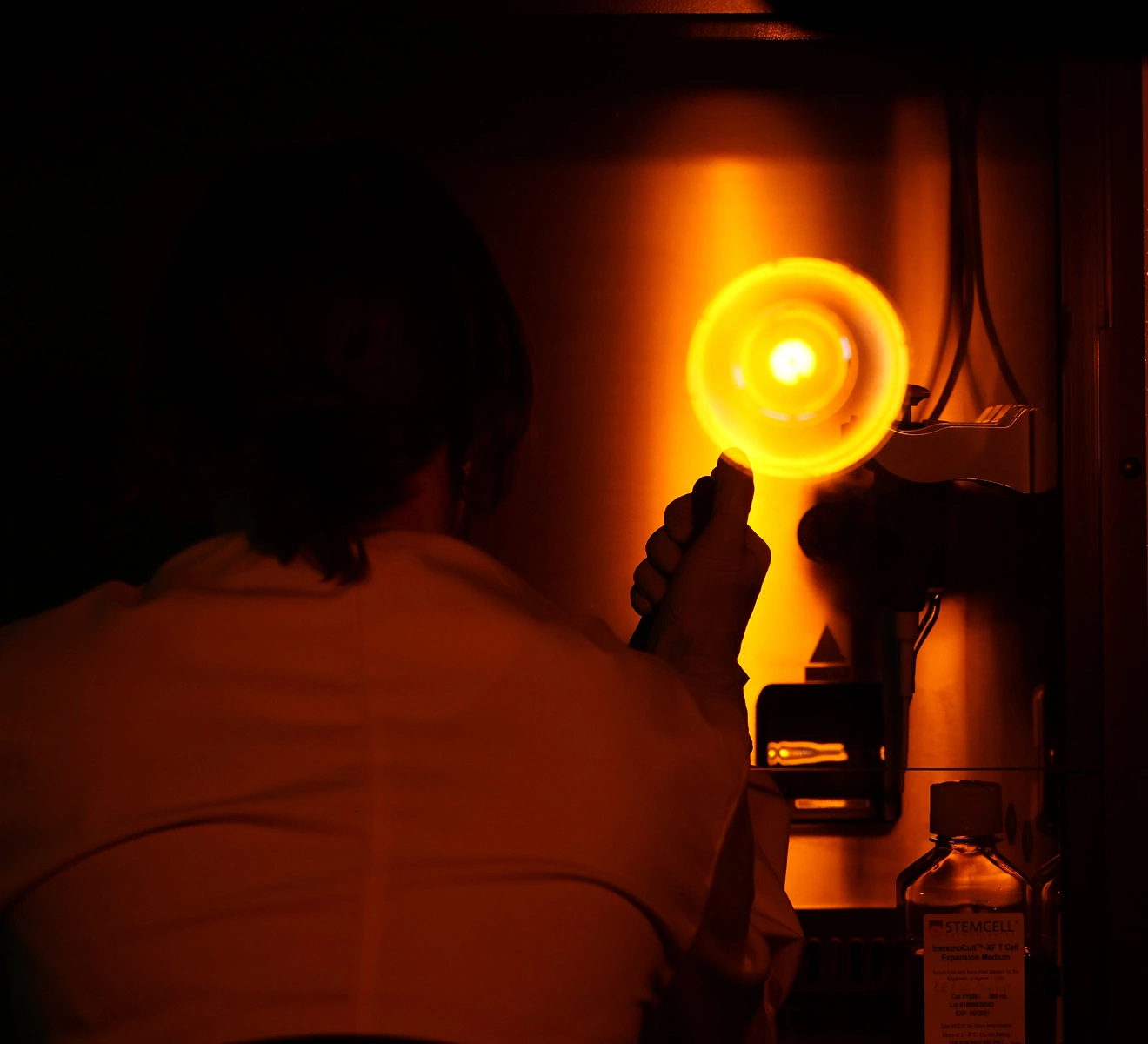
OMX offers the much-needed lab space in Bristol that scaling Deep Tech companies often struggle to find — and it will do so within the supportive, well-connected ecosystem built by Science Creates.
Join our community of scientific entrepreneurs developing technologies that include groundbreaking cancer treatments, enhanced battery technologies and seaweed-based biomaterials.
Located in the heart of Bristol and connected to our Old Market incubator, OMX is designed with the specialised services and features that Deep Tech R&D demands, plus the flexibility that growing ventures need.
With 30,000 sq ft of lab, office and meeting space, OMX offers a range of options depending on the size of your company — from lab-only options to renting full suites including two labs and a private office.
Membership includes access to our platform of support, providing opportunities to attend workshops and events, connect with other founders, and find a mentor.


Discover the lab space that's available to rent in our newest Bristol incubator and discuss your scaling startup needs with our team today.


Travel between locations is measured in walking distance
St Philips Rd & Midland Rd
0.5 miles / 11 min
0.7 miles / 15 min

Argonaute RNA is developing safe, reliable and targeted methods of temporarily silencing genes in different tissue cells. It does this via the proprietary modification of small interfering RNA (siRNA), using a novel stabilisation method to overcome previous obstacles to developing siRNA drugs for healthcare.

Glaia is developing innovative solutions to optimise agricultural plant performance to help food security and fight climate change. Using disruptive technology, its sustainable agrochemicals unlock the potential of the photosynthetic process, enabling plant cells to more efficiently convert energy to biomass to increase crop yields without increasing inputs. This results in greater profits for growers and reduced greenhouse emissions, delivering more sustainable global food production.

Herd Climate is a not-for-profit addressing the pressing agricultural challenge of enteric methane emissions produced by farming animals. It works directly with farmers, researchers and young people to bridge the gap between climate-smart scientific advancements and on-the-ground practices through innovative research, accessible science communication and engaging networking events. This equips agricultural communities - who are at the forefront of climate solutions - with actionable insights for collaborative, sustainable farming practices.


Dimension Biotechnologies is addressing unmet global vascular health challenges by improving diagnostic tools. Its transformative technology non-invasively monitors microscopic blood vessels at the biochemical level enabling doctors, drug developers and scientists to rapidly assess microvascular health and disease.

Kelpi is tackling plastic pollution by developing sustainable alternatives to single-use plastic packaging. It uses seaweed to create a unique bioplastic coating that provides a world-leading water barrier for new-generation packaging while being recyclable, biodegradable, and low carbon. By working with major food and drink, cosmetics and home care brands, Kelpi is already reducing reliance on fossil-fuel plastics and paving the way for a greener future in these industries.

Fine Agrochemicals is enhancing crop quality for fruit and flower growers in agricultural, ornamental and landscape markets using its plant growth regulator (PGR) technology. Its PGR products, made using naturally occurring molecules through fermentation and combined with chemically synthesised compounds, help stimulate plant cells to enhance nutrient levels and targeted growth for improved crop outputs.


CoED Biosciences is transforming human tissue separation for adoptive cell therapy and research purposes. Its Column of Expansion and Differentiation (CoED) device harnesses the power of chemotaxis and gravity to gently purify and extract immune cells from blood or tumour biopsies. The process preserves both the integrity and functionality of the tissues without the need for magnets or centrifugation, saving valuable time and resources.

Scarlet Therapeutics is developing a proprietary platform that generates novel red blood cell-based therapeutics (tRBCs) to treat a wide range of diseases. Its technologies are underpinned by learnings from decades of research including the groundbreaking RESTORE clinical study run by NHS Blood and Transplant and the University of Bristol, investigating transfusion of lab-grown blood into patients. By generating tRBCs with high levels of therapeutic proteins from cell lines rather than from donated stem cells, Scarlet Therapeutics aims to address significant efficacy and manufacturing issues faced in the field.

neo-fossil is developing new technology using cell engineering to help reverse the threat of climate change. By optimising biology, it is creating new fossils that harvest atmospheric carbon dioxide, storing it for centuries.